
Understanding God’s Creation: The Marvel of Human Lungs
Hello, I’m Richard Kent, and today I want to shed light on the intricate design of human lungs, dispelling the notion of their evolution from primordial slime. Our lungs, a testament to God’s creation, play a vital role in oxygenating our bodies.
The Complexity of Human Lungs
Contrary to evolutionary claims, human lungs are far from simple. Their primary function involves the intake of oxygen and the expulsion of carbon dioxide. Enveloping a vast surface area, approximately the size of two tennis courts, these spongy organs are a marvel of design.
The Respiratory Process
Our lungs facilitate the crucial process of respiration. As we breathe in, the thoracic cage expands upward and outward, synchronized with the movement of the diaphragm. This orchestration allows the lungs to draw in air, a process vital for our survival.
Introducing Alveoli: Nature’s Air Sac
One key component of our lungs is the alveoli—tiny air sacs resembling bubbles. Here, the exchange of gases occurs, with oxygen extracted from the air and carbon dioxide expelled. The microscopic view reveals intricate blood vessels, smaller than a strand of hair, carrying oxygen-carrying red blood cells.
The Role of Surfactant
God’s intricate design includes surfactant, likened to a detergent, reducing surface tension within alveoli. This divine “very liquid” ensures that, upon a baby’s first breath, the alveoli expand and stay expanded, enabling proper gas exchange.
Irreducible Complexity: Heart and Lungs
The proximity of the heart and lungs underscores their interdependence. The lungs extract oxygen crucial for the heart’s function, while the heart provides the blood necessary for the lungs. This interplay showcases irreducible complexity—a harmonious design by the Creator.
Safeguards Within Our Lungs
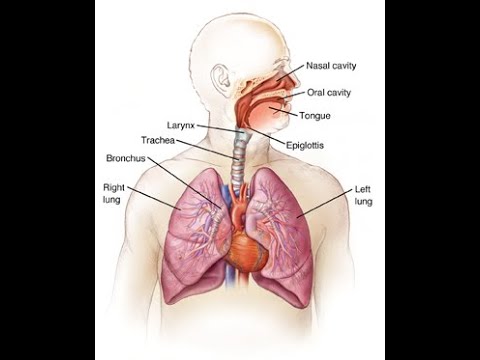
Within the alveoli, God has placed additional safeguards. The epiglottis, a flap over the windpipe, prevents food and liquids from entering the lungs during swallowing. Furthermore, a laryngeal reflex ensures that, in unexpected situations like inhaling a fly, the vocal cords swiftly shut, redirecting the intruder to the stomach.
A Divine Design
In summary, human lungs, with their irreducible complexity and intricate mechanisms, stand as a testament to God’s intentional design. Far from evolving by chance in primordial slime, our lungs are a marvel crafted by the Creator. Thank you for listening, and may God bless you.