
Exploring the Marvel of Creation: The Human Ear
Hello, my name is Richard Kent. Today, I’d like to talk about the human ear. In Proverbs 20, we are reminded that the Lord God created both the human ear and the human eye, highlighting their miraculous design. Let’s delve into the intricacies of the human ear, a marvel of creation often taken for granted.
The Three Parts of the Ear
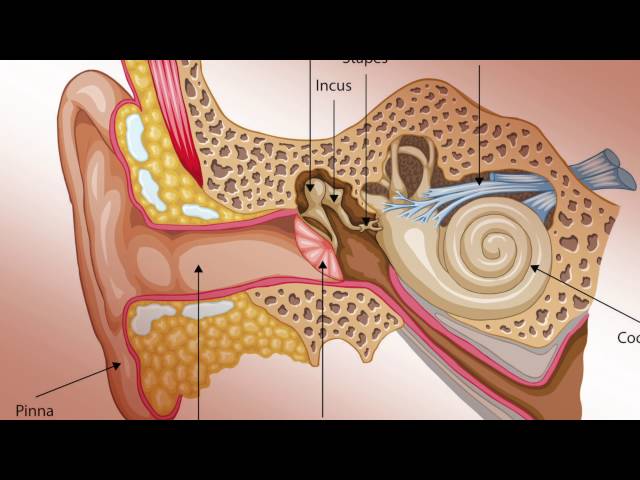
Our ears, positioned on the sides of our heads, consist of three parts: the outer ear, the middle ear, and the inner ear. Each part plays a crucial role in our ability to hear.
1. Outer Ear: This visible part of the ear acts as a trumpet, collecting sound waves. Positioned forward, our ears enable our brain to determine the direction of sound—whether it’s coming from the left, right, front, or behind.
2. Middle Ear: Comprising three tiny bones called ossicles, the middle ear amplifies sound vibrations. The tympanic membrane, commonly known as the eardrum, vibrates in response to sound waves of varying frequencies and amplitudes.
3. Inner Ear: The inner ear houses the cochlea, shaped like a snail, containing a membrane called the basilar membrane. This membrane, adorned with hairs of varying lengths and thicknesses, acts like a harp. It vibrates in resonance with incoming sound frequencies, transmitting signals along the auditory nerve to the brain.
The Wonders of Sound Perception
Sound, in essence, is the movement of rhythmic waves carrying information such as speech or music. Different frequencies correspond to different pitches, while varying amplitudes determine volume.
As sound waves travel through the external auditory meatus (ear canal) to the eardrum, they cause vibrations. These vibrations are then amplified by the ossicles— the smallest bones in the human body—before reaching the oval window of the cochlea. Here, fluid within the cochlea vibrates, initiating a remarkable process.
The Miracle of Hearing
Within the cochlea, the basilar membrane vibrates in resonance with specific sound frequencies. This triggers sensory cells to generate electronic signals, which travel along the auditory nerve to the auditory cortex. The brain processes these signals, allowing us to perceive sound in stereo.
Conclusion: A Divine Design
The human ear stands as a testament to the awe-inspiring craftsmanship of creation. Its intricate design, from the outer ear’s trumpet-like structure to the inner ear’s harp-like membrane, defies any notion of random evolution. It is a marvel meticulously fashioned by the divine hand of God.
Thank you for listening, and may you continue to marvel at the wonders of creation.